
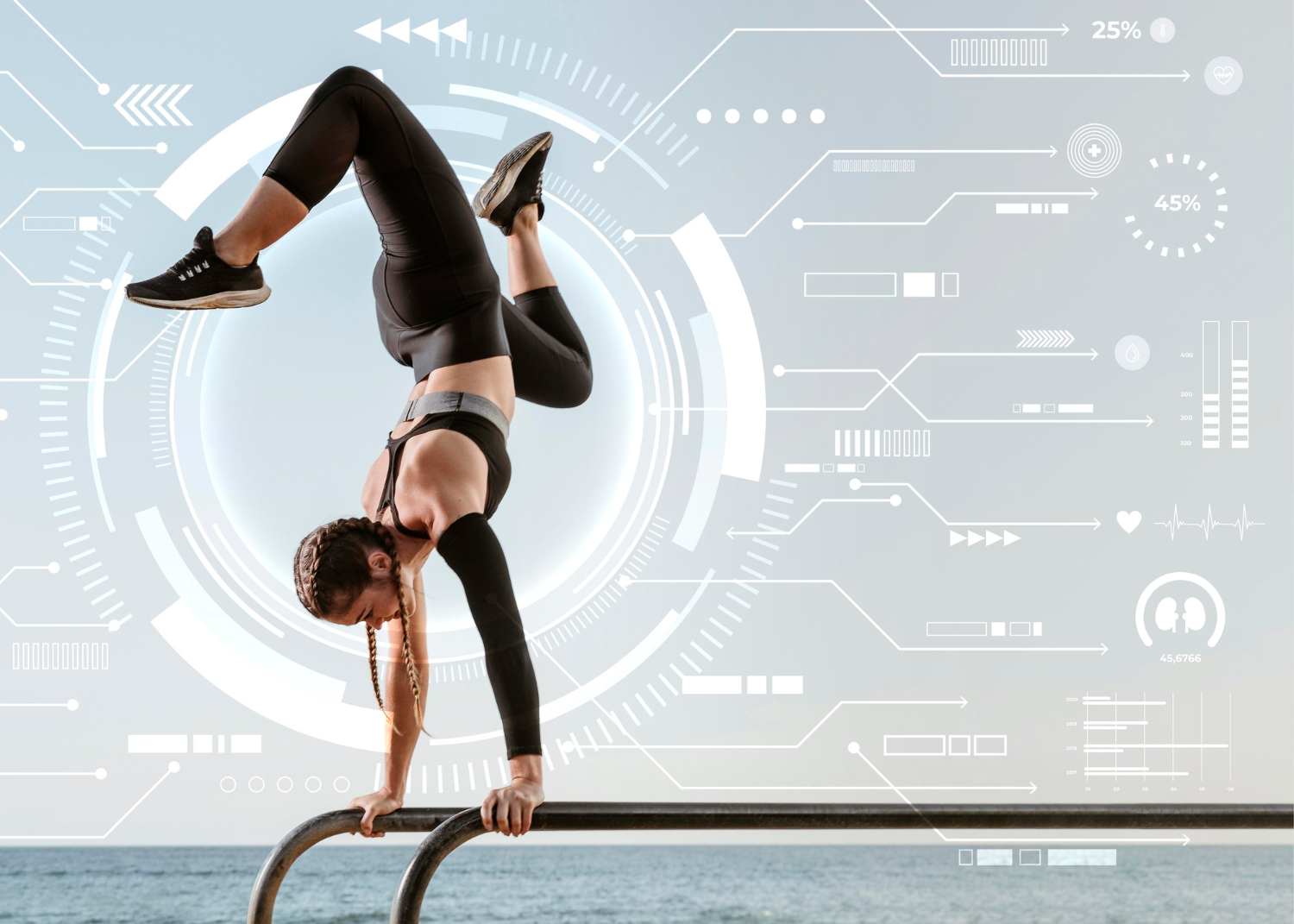
For years, injury management in sports focused on what happens after the damage is done. A sprain gets iced. A muscle tear leads to rehab. But now, a shift is happening. With artificial intelligence and advanced sports tech, prevention is becoming the new standard. These tools are helping athletes avoid injuries altogether, not just recover from them. Just as data-driven tools are reshaping athlete health, platforms like the best offshore betting sites are using advanced analytics to enhance user experience and real-time sports engagement.
How the Data Works

Every athlete generates patterns through movement. From stride length to joint angles, sports tech captures it all. Wearables and motion sensors collect this data during training. AI then analyzes the information, looking for small signs that something’s off. A slight change in running form or muscle load might seem minor. But to AI, it’s a potential red flag. This allows trainers and medical teams to respond early.
Patterns That Humans Miss
Coaches and trainers know their athletes well. But even the most experienced eye can miss small changes. Fatigue, imbalance, and compensation patterns are often subtle. AI tools don’t get tired or distracted. They process thousands of data points per second. When combined with historical data, they identify injury risks based on trends, long before pain or discomfort appears.
Custom Alerts, Smarter Training
Not all athletes move the same way. One player’s normal might be another’s warning sign. AI adapts to each individual. Over time, it builds a personalized movement profile. When something strays from that baseline, it sends alerts. These notifications help coaches adjust the workload or modify drills. It’s not about doing less. It’s about doing what’s right for that body, in that moment.
Beyond the Elite Level
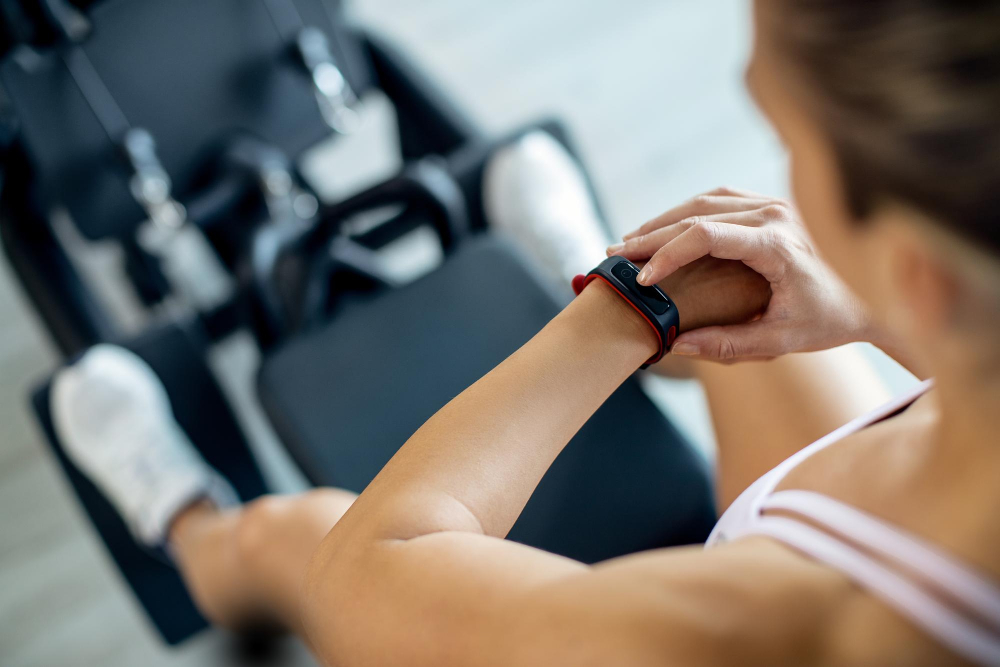
What started in professional sports is now moving into schools, clinics, and even consumer fitness. Youth programs use tech to monitor growing bodies. Physical therapists apply it in rehab to reduce re-injury. Some personal trainers now use AI-enabled wearables to track amateur runners or gym clients. The tech is becoming more affordable and available, expanding its impact beyond elite athletes.
A Collaborative Approach
AI doesn’t replace coaches or medical staff. It supports them. The best outcomes come when tech, data, and human expertise work together. A trainer might sense something’s wrong. The AI confirms it with numbers. Or vice versa, data raises a concern that leads to a closer look. This blend helps ensure decisions are based on both intuition and evidence. That balance is crucial to staying ahead of injuries.
The future of AI in sports health is moving fast. New systems will use video analysis to assess mechanics without wearables. Predictive models will incorporate sleep, nutrition, and stress data. Some platforms are already combining injury prediction with mental wellness tools. As the technology improves, so does its ability to detect issues earlier and with greater accuracy. At the utmost level, it means safer sports at every stage of competition.